Real estate is the trade where a lead is most expensive and most easily wasted. A portal subscription, a Facebook campaign for a new project or a hoarding on the main road can cost lakhs. The buyers it produces enquire with four or five brokers at once, take months to decide and change their requirement halfway through. A broker who handles them from memory and a WhatsApp chat list loses most of them without ever knowing it.
This post sets out a simple lead management process for a broker’s office or a small builder’s sales team in India — from the first call to the token cheque — and the habits that stop good buyers going cold.
What makes property leads different
- Long decisions. Weeks for a rental, months for a purchase. Family, loans and an existing flat to sell all get in the way.
- Heavy competition. A buyer who enquired on a portal listing has usually enquired on several others the same evening.
- A moving requirement. The 2BHK in one locality becomes a 3BHK in the next one after two visits and a talk with the bank.
- Many people involved. Spouse, parents, sometimes a relative abroad who has the final word.
All four point the same way: you need a written record of every buyer and a date for the next contact. Memory does not survive month three.
Step 1: Capture every enquiry in one place
Leads arrive through portals, your own website, Facebook ads, JustDial, hoardings, walk-ins at the site office and referrals from past buyers. Put every one of them in a single list, with:
- name and phone number
- source — which portal, which ad, which hoarding
- the requirement in one line: configuration, locality, budget, possession, loan status
- who in the office owns this buyer
The source matters more than it looks. After one quarter it tells you which portal or campaign produces buyers who actually visit and book, and which only produces calls. Tracking lead sources explains the sum.
Step 2: First call within the hour
The first call has two jobs: find out if the buyer is serious, and get a site visit on the calendar. Useful questions:
- Are you buying to live in, or as an investment?
- What budget are you working to, and is a home loan already approved or in progress?
- When do you need possession?
- Which localities are you considering apart from this one?
- Who else needs to see the flat before you decide?
The last question saves a wasted visit. If the husband decides but only the wife can come on Saturday, book the visit for Sunday.
Step 3: Confirm the site visit, twice
No-shows are a real cost when an executive has driven across town. Confirm the visit on WhatsApp the evening before with the location pin, and again two hours before with the name and number of the person who will meet them. Buyers who do not reply to the morning message are the ones to call.
Show two or three options, not eight. More choice makes a buyer postpone, not decide.
Step 4: The post-visit follow-up
This is where most deals are won or lost, and where most offices go quiet. A process that works:
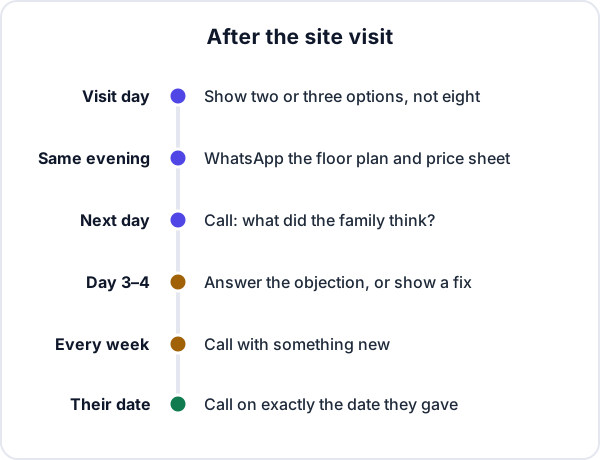
| When | What to do |
|---|---|
| Same evening | WhatsApp: thank them, send the floor plan and price sheet of what they liked |
| Next day | Call: what did the family think? What would they change? |
| Within 3–4 days | Answer the objection — parking, floor, loan, possession date — or show an option that fixes it |
| Weekly | A call with something new: price change, offer ending, a new listing matching their budget |
| The date they gave you | “After my bonus”, “after the loan sanction” — call on exactly that date |
Write down what the buyer said after every call. When a second executive takes over, or the buyer calls back after three weeks, the notes save you from asking the same questions again. Building a sales follow-up process covers the habit in general.
Step 5: Stages you can read at a glance
An owner of a broking office should be able to see, in one look, how many buyers are at each point. A simple set of stages:
- New — not yet spoken to
- Contacted — first call done
- Qualified — budget and timeline are credible
- Site visit — visit booked or done
- Negotiation — talking price and terms
- Won or Lost — token paid, or bought elsewhere / dropped the plan
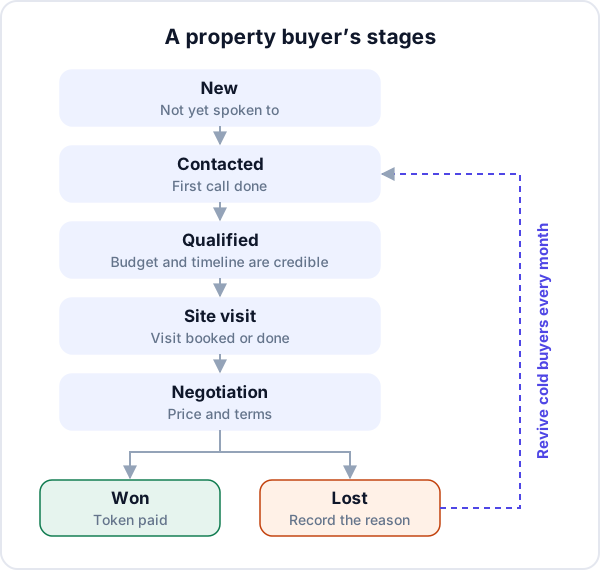
When a buyer is lost, record why: budget, location, bought through another broker, loan rejected, plan postponed. After six months, the reasons tell you more about your listings and pricing than any market report. Tracking a sales pipeline explains how to read it each week.
Step 6: Revive cold buyers every month
A buyer who went quiet in March has often not bought anywhere. Their loan got delayed, a family function came up, or nothing they saw fitted. Once a month, go through buyers with no activity for 60 days and anyone marked lost for “postponed”. Call with something specific — “a 2BHK came up in the same society you liked, ₹5 lakh under your budget” — not “just checking in”.
When two executives call the same buyer, it looks disorganised and the buyer loses trust. Assign every lead to one person, and check for the same phone number before adding a new enquiry. Repeat enquiries from an old buyer are a good sign — they should go back to the person who knows them.
Where Enkay CRM fits
Enkay CRM from Enkay Technologies manages the buyers, not the property listings. Website enquiry forms arrive automatically once connected. Portal, Facebook, hoarding and walk-in leads are added by hand with a phone number and a source label, or imported from a CSV file on the Business plan. When the same number enquires again, Enkay flags it and lets you merge the leads in one click.
Each buyer has a requirement, a value, an assigned salesperson and a next follow-up date. The pipeline runs from New through Site visit and Negotiation to Won or Lost, and marking a lead Lost asks for the reason. The Today screen lists overdue follow-ups first. Enkay CRM for real estate covers the details, and pricing starts with a free plan.
Frequently asked questions
How quickly should a broker call a new property enquiry?
Within the hour if you can, and the same day at the latest. Portal buyers enquire on several listings at once, and the first sensible call usually gets the first site visit.
How many times should I follow up with a property buyer?
There is no fixed number. Follow up on dates that mean something to the buyer: after the visit, when they said they would discuss with family, when their loan is expected, when a new option matching their budget comes up. Every open buyer should have a next date.
What should I do with buyers who went quiet months ago?
Call them. Many did not buy anywhere; their plans moved. Go through the leads marked lost or with no activity for 60 days once a month, and call with something specific, such as a new listing in their locality and budget.
Can Enkay CRM manage my property listings?
No. Enkay CRM has no property inventory or availability tracking. It manages the buyers: their requirement, source, site visits, follow-up dates and the salesperson responsible. Keep your listings where they are and write the property name in the lead’s requirement.
Keep reading
Try Enkay CRM free
Every enquiry in one list, a follow-up date on each one, and your whole team on the same page. Free for one user — not a trial, no credit card.